When you're preparing to buy a home in Peterborough or anywhere in Ontario, the purchase price and mortgage payment are only part of the financial picture.
There are several up-front and closing costs that buyers should prepare for. The Financial Consumer Agency of Canada recommends budgeting approximately 1.5% to 4% of the home's purchase price for up-front and closing costs.
Understanding these expenses ahead of time can help you set a realistic budget and avoid surprises when it's time to get the keys.
Up-Front Costs of Buying a Home
Your Down Payment
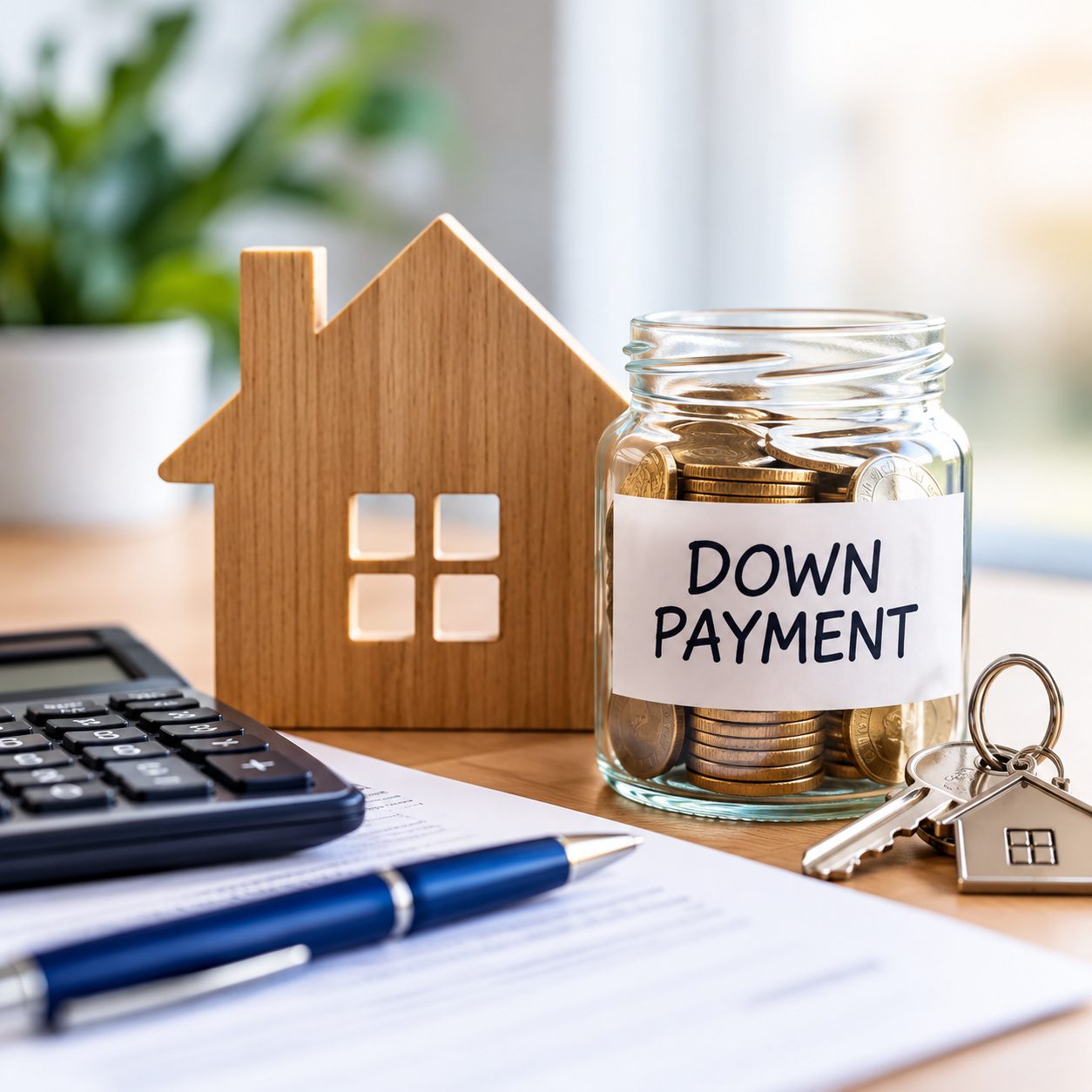
Your down payment is the amount of the purchase price you pay yourself rather than finance through your mortgage.
The amount you'll need depends on the purchase price, your mortgage, and your individual circumstances. Your mortgage professional can help you determine how much you will need and how different down payment amounts may affect your mortgage.
A larger down payment can reduce the amount you need to borrow and may lower your monthly mortgage payments. It’s a good idea to plan your down payment early so you know what price range may be comfortable for you.
Remember, your down payment is separate from the additional closing costs you'll need to budget for.
Beyond the Purchase Price
Build an Emergency Fund
Keep some savings aside for unexpected repairs or expenses that can come with homeownership.
Know Your Monthly Comfort Zone
Consider utilities, maintenance and everyday expenses to determine a monthly payment that feels comfortable for you.
Check Available Buyer Programs
Explore current government programs and incentives that could help make purchasing your home more affordable.
Plan for Future Maintenance
Set aside money regularly for ongoing upkeep and larger future repairs to protect your investment.
Up-Front Costs of Buying a Home
Legal Fees & Disbursements
You'll need a real estate lawyer to complete the legal side of your purchase.
Your lawyer will handle important parts of the transaction, including reviewing documents, completing the transfer of ownership, registering your mortgage and helping ensure funds are properly distributed.
There may also be additional legal disbursements and costs associated with the transaction.
It's a good idea to contact a lawyer early and request an estimate based on your expected purchase.

Moving & Immediate Home Expenses
Don't forget about the expenses that come after your offer is accepted.
You may need to budget for movers, utility setup, internet installation, new locks, furniture, appliances, immediate repairs and other expenses associated with settling into your new home.
Keeping some money available after closing can make those first few weeks of homeownership much easier.

Home Insurance
Your lender will typically require proof that adequate property insurance is in place before mortgage funds are advanced.
Start getting insurance quotes before closing so you're not scrambling at the last minute.
The property's location and characteristics can affect insurance availability and cost. This can be particularly important when purchasing older or rural homes.